Date
March 10-13, 2023Date
March 10-13, 2023ABOUT THE EVENT
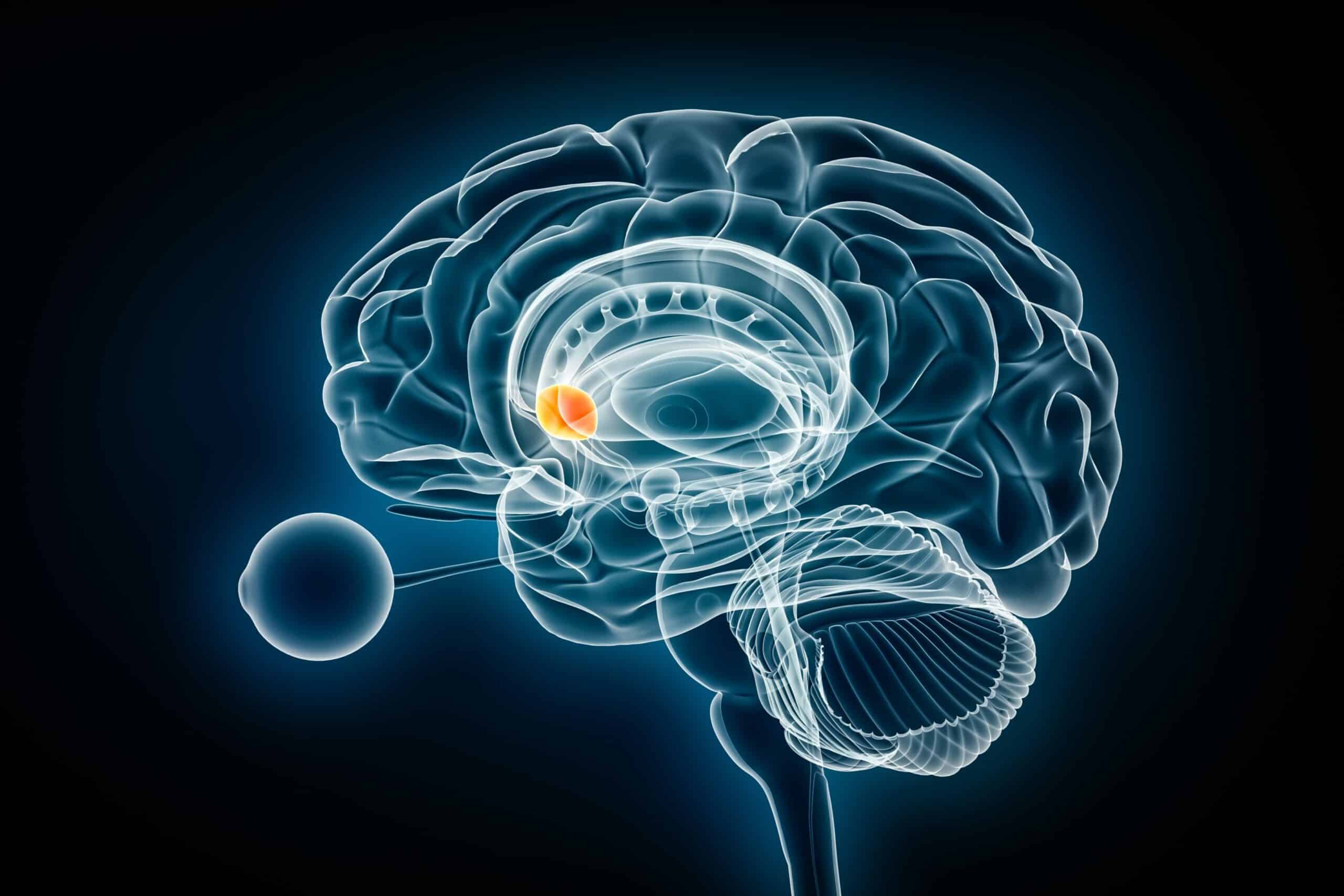
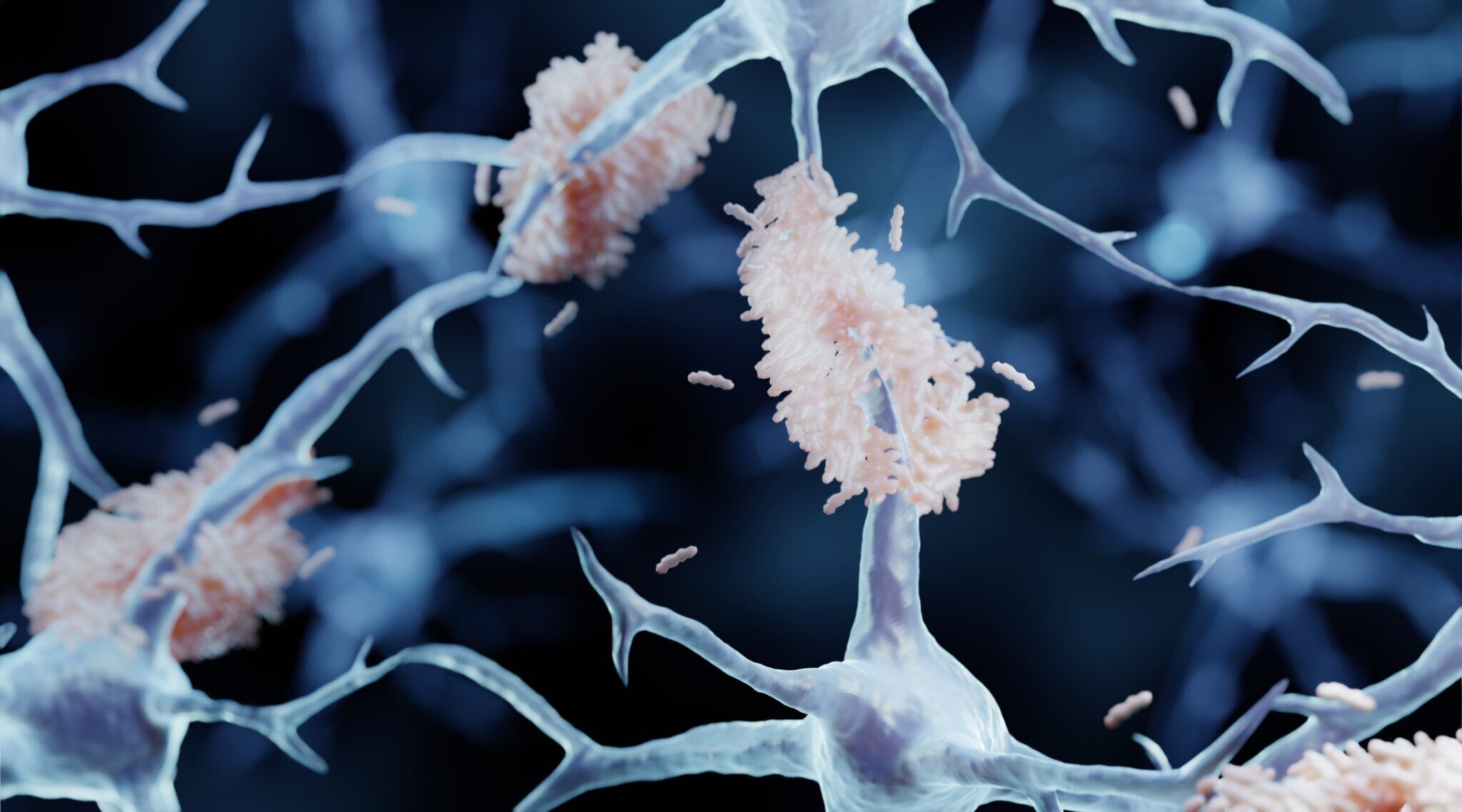
Join Scantox and invited scientific experts for a half-day symposium exploring current approaches to modeling neurodegenerative diseases across the preclinical discovery pipeline. Examine how neuroinflammation, shared biomarker networks, lysosomal dysfunction, human-relevant NAMs, advanced in vitro systems, and established in vivo models can be integrated to strengthen translational research in Alzheimer’s, Parkinson’s, and related neurological disorders.
Whether you are investigating disease mechanisms, selecting appropriate models, evaluating translational biomarkers, or advancing an early-stage therapeutic program, this event will deliver practical insights into building integrated preclinical strategies that support stronger scientific decisions and reduce development risk.
DONATION / meet with greaters
Praesent ac sem in neque venenatis tristique. Morbi et ligula velit. Nullam a augue vel mi porta vestibulum non ac elit. Vivamus convallis tortor et fermentum semper
WHO SHOULD ATTEND
This symposium is designed for scientists and leaders working across CNS discovery, preclinical development, and translational research, including:
- Neuroscientists investigating neuroinflammation, lysosomal dysfunction, disease mechanisms, and shared pathological pathways in Alzheimer’s, Parkinson’s, and related neurodegenerative disorders
- Drug discovery teams evaluating human-relevant NAMs, advanced in vitro systems, in vivo models, and translational biomarkers
- Preclinical R&D professionals from biotechnology, pharmaceutical companies, regulatory consulting, and academia seeking to strengthen model selection, efficacy assessment, and translational decision-making
(Please note: this meeting is intended for professionals directly involved in CNS drug discovery and development to ensure discussions remain focused and valuable.)
Symposium Agenda
Session 1: Modeling Neuroinflammation Across Neurodegenerative Diseases: From Cellular Mechanisms to Translational Readouts
This session will outline approaches for modeling neuroinflammation across neurodegenerative diseases, highlighting in vitro and in vivo systems for investigating microglial activation, astrocyte responses, immune-cell infiltration, cytokine signaling, and phagocytosis, and discussing how complementary biochemical, histological, cellular, and molecular readouts can strengthen mechanistic and translational research.
Session 2a: The Göttingen Minipig in Drug Discovery and Development - Applying the Model in an Obesity Context
This session will examine the Göttingen Minipig as a translational large-animal model, using obesity research to illustrate its application across pharmacology, CNS development, PK/PD assessment, and regulatory toxicology, and discussing how flexible administration routes, longitudinal sampling, biomarker evaluation, and clinically relevant pharmacokinetic data can support progression from discovery through preclinical development.
Session 2b: Shared Biomarker Networks Across Models of Neurodegeneration and Lysosomal Dysfunction
This session will examine shared and disease-specific biomarker patterns across mouse models of Alzheimer’s disease, Parkinson’s disease, and lysosomal storage disorders, highlighting changes in protein aggregation, neuroinflammation, lysosomal function, synaptic integrity, and cellular senescence, and discussing how comparative biomarker profiling can strengthen model selection, mechanistic investigation, and translational drug discovery.
This session will outline strategies for model selection based on therapeutic modality, target biology, and mechanism of action, highlighting mechanistic assays, human iPSC-derived systems, advanced 3D Neurospheres, and established in vivo models for Alzheimer’s and Parkinson’s disease, and discussing how integrated model cascades and data interpretation can strengthen early-stage decisions and reduce development risk.

Using the development of aducanumab as a case study, this session will examine how Alzheimer’s disease mouse models have evolved and why model selection should be driven by the human endpoints a program needs to inform. It will explore how different models address distinct translational questions, how mouse data should be interpreted against clinically relevant outcomes, and the inherent limitations of current AD models.
Closing Remarks
EVENT SPEAKERS / meet with greaters
SPEAKER NAME
CO FOUNDER
SPEAKER NAME
CO FOUNDER
SPEAKER NAME
CO FOUNDER
EVENT PRICE LIST / perfect price for event
personal
- Lorem ipsum dolor sit amet
company
- Lorem ipsum dolor sit amet
business
- Lorem ipsum dolor sit amet
EVENT FAQS / find your answers
Vestibulum sit amet tincidunt urna, eget ullamcorper purus. Aenean feugiat quis tortor vitae fringilla. Pellentesque augue nisl, condimentum at sem et, fermentum varius ligula. Nulla dignissim nulla eget congue cursus.
- First Awesome Feature
Vestibulum sit amet tincidunt urna, eget ullamcorper purus. Aenean feugiat quis tortor vitae fringilla. Pellentesque augue nisl, condimentum at sem et, fermentum varius ligula. Nulla dignissim nulla eget congue cursus.
- First Awesome Feature
Vestibulum sit amet tincidunt urna, eget ullamcorper purus. Aenean feugiat quis tortor vitae fringilla. Pellentesque augue nisl, condimentum at sem et, fermentum varius ligula. Nulla dignissim nulla eget congue cursus.
- First Awesome Feature
Vestibulum sit amet tincidunt urna, eget ullamcorper purus. Aenean feugiat quis tortor vitae fringilla. Pellentesque augue nisl, condimentum at sem et, fermentum varius ligula. Nulla dignissim nulla eget congue cursus.
- First Awesome Feature
DONATION / meet with greaters
Praesent ac sem in neque venenatis tristique. Morbi et ligula velit. Nullam a augue vel mi porta vestibulum non ac elit. Vivamus convallis tortor et fermentum semper
RECENT BLOG POSTS / get news
THE VENUE
MassBioHub
700 Technology Square, 5th Floor
Cambridge, MA 02139
+1 (617) 674-5100
marketing@scantox.com
Cambridge, MA 02139
+1 (617) 674-5100
marketing@scantox.com
CONTACT US TODAY
Reserve your spot by submitting the registration form below.